


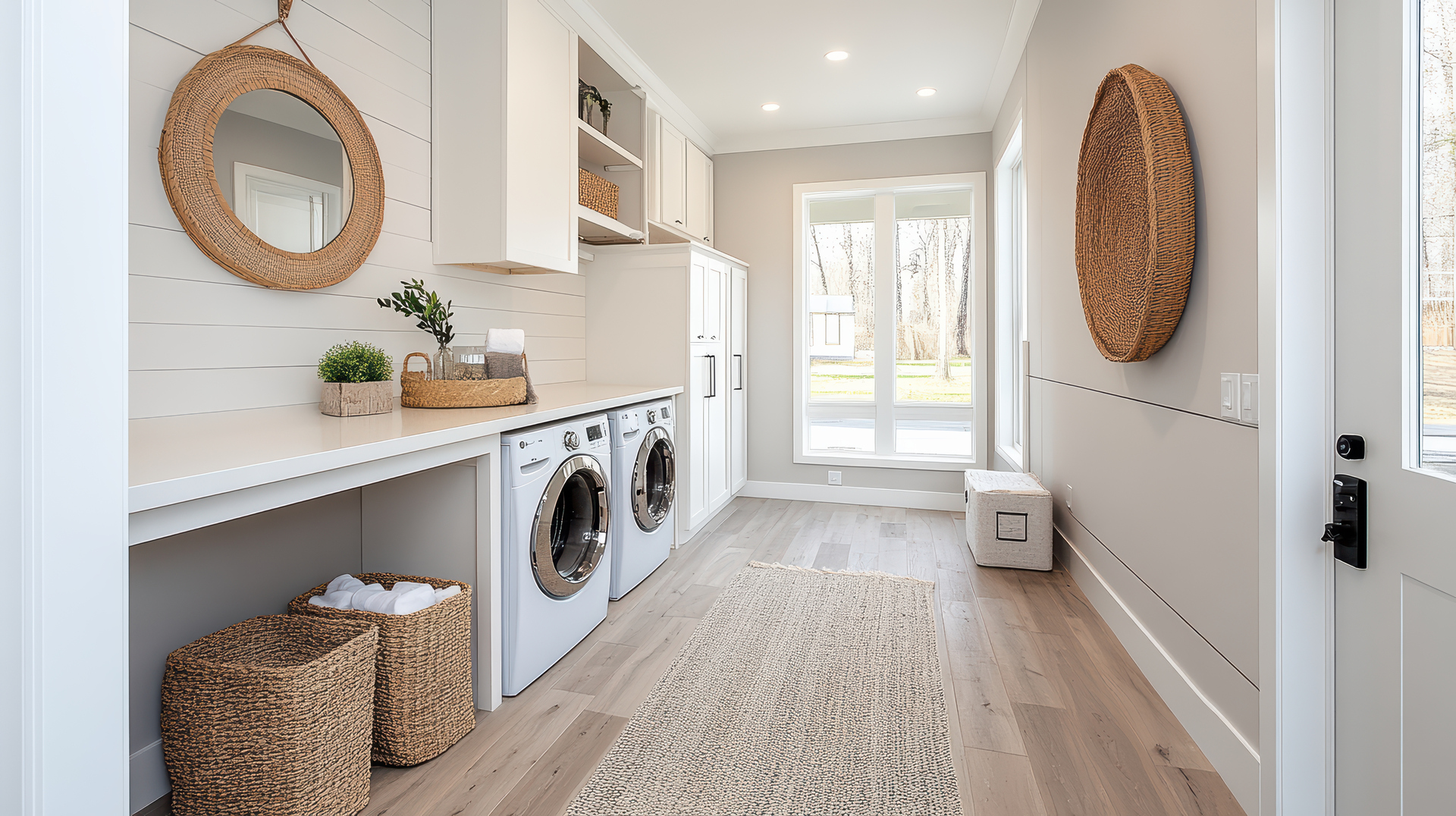
When shopping for laminate flooring, one of the most common points of confusion is the difference between waterproof and water-resistant options. While the two sound similar, their construction, performance levels, and ideal applications are quite different.
Understanding those differences helps prevent long-term issues such as swelling, edge damage, and premature replacement. A closer look at how each type performs makes choosing the right fit far easier.
Where laminate flooring stands today
Laminate flooring has evolved significantly over the years. Today’s products feature stronger cores, improved locking systems, and protective wear layers designed for active households.
For those exploring current styles, finishes, and plank constructions, reviewing available laminate flooring options offers insight into how different collections vary in thickness, edge sealing, and moisture protection.
But moisture resistance is where the real distinction begins.
The real meaning of water-resistant
Water-resistant laminate is designed to handle minor, short-term spills. A knocked-over drink, light splashes near a sink, or damp shoes during a rainy day are typically manageable — provided the moisture is cleaned up promptly.
Here’s what defines water-resistant construction:
A protective top layer that slows liquid penetration
Tight locking mechanisms to reduce seepage between planks
A high-density fiberboard (HDF) core that can resist limited exposure
However, prolonged standing water can still cause the core to swell. The protection is temporary, not indefinite.
Water-resistant laminate performs well in:
Living rooms
Bedrooms
Offices
Light-use kitchens
For spaces with minimal water exposure, it delivers reliable performance and long-term durability.
What makes waterproof laminate different
Waterproof laminate is engineered to withstand significantly longer exposure to moisture. The difference lies in the core technology and edge treatment.
Waterproof construction often includes:
A sealed or modified core designed to prevent swelling
Wax-treated or sealed edges
Advanced locking systems that create tighter seams
Many waterproof laminates can handle standing water for extended periods without visible damage. This added protection makes them ideal for:
Busy kitchens
Laundry rooms
Entryways
Homes with pets
For homeowners comparing moisture-ready surfaces, exploring broader waterproof flooring solutions can help clarify how waterproof laminate compares to other water-tolerant materials.
Everyday performance in real homes
The best choice depends less on labels and more on lifestyle.
A quiet household with minimal spill risk may find water-resistant laminate perfectly sufficient. Meanwhile, an active home with children, pets, or frequent entertaining benefits from the extra reassurance of waterproof construction.
Coastal environments, such as those near Newport Beach or Corona de Mar, can also introduce humidity fluctuations and sandy traffic. In those settings, enhanced moisture protection provides greater long-term stability.
The more unpredictable the environment, the more valuable full waterproof construction becomes.
Installation still plays a major role
Even the most advanced waterproof laminate relies on proper installation. Subfloor preparation, correct expansion gaps, and appropriate underlayment selection all impact performance.
Moisture testing is especially important over concrete slabs. Without proper preparation, even waterproof flooring can face issues over time.
Professional installation ensures the locking systems are fully engaged and manufacturer warranties remain valid.
Appearance and design flexibility
From a visual standpoint, both waterproof and water-resistant laminate offer impressive realism. Modern embossing techniques replicate authentic wood grain textures, knots, and subtle surface variations.
Design options typically include:
Wide plank formats
Matte and satin finishes
Warm oak tones
Contemporary greys and natural wood shades
The difference between the two types is structural, not aesthetic. Both deliver the clean, updated look homeowners expect.
Investment and long-term value
Waterproof laminate typically carries a higher upfront investment due to enhanced core construction and sealing processes. However, in moisture-prone areas, that additional protection can prevent future repair or replacement costs.
In dry spaces with controlled conditions, water-resistant laminate often provides excellent performance without the added expense.
Matching product capability to room function creates the best long-term value.
Let’s find the laminate that fits your space
Choosing between waterproof and water-resistant laminate comes down to daily use, moisture exposure, and long-term expectations. Both offer durability and style — but selecting the correct construction ensures the flooring performs beautifully for years to come.
At Avalon Wood Flooring in Santa Ana, we bring over 60 years of combined industry experience to every project. We work closely with homeowners, designers, and contractors throughout Irvine, Newport Beach, Corona de Mar, and Fountain Valley to match each space with the right flooring solution. Schedule a free in-home measurement through our contact us page and let our flooring experts guide the process from selection to installation.

