


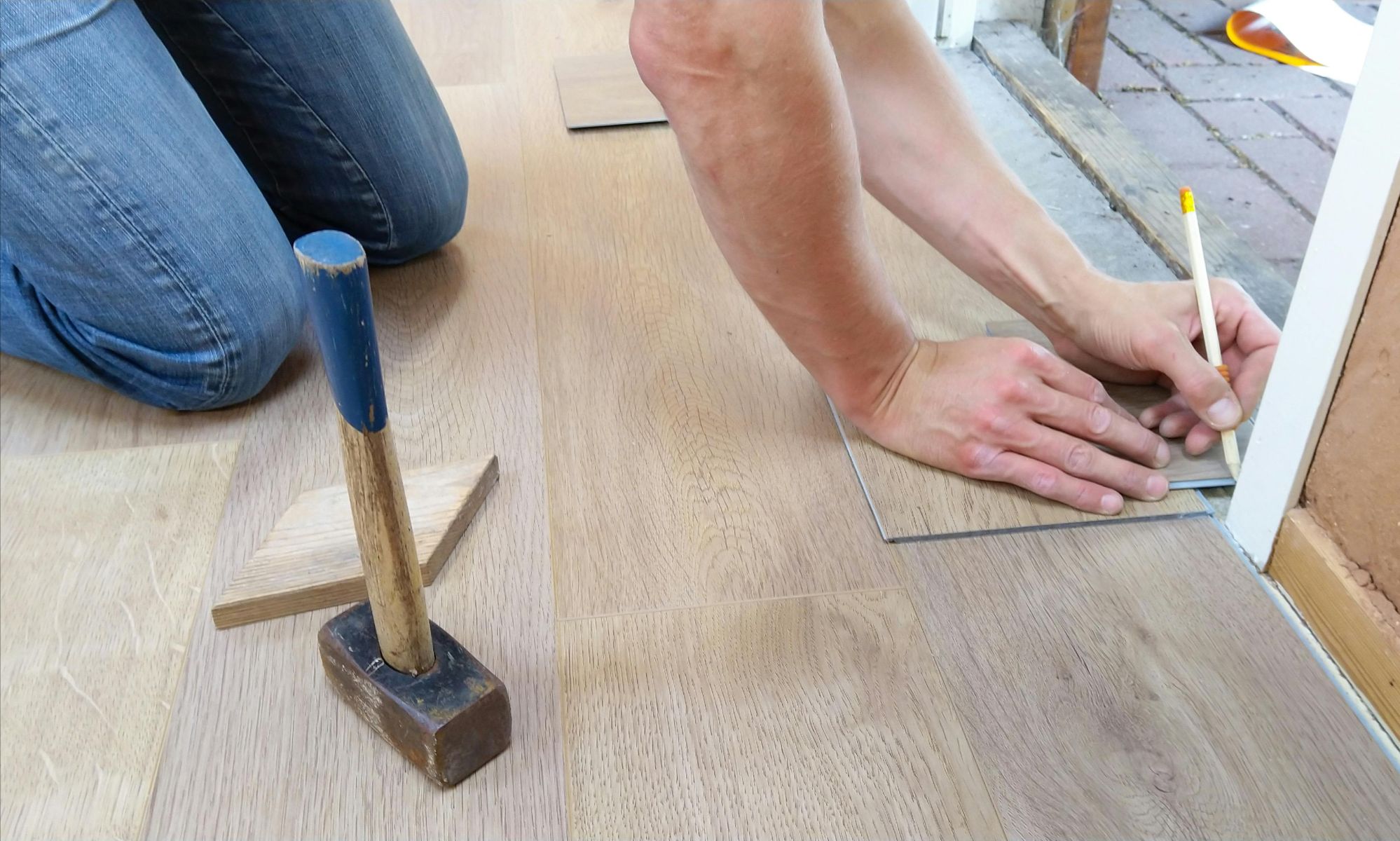
Getting new floors installed is exciting. The room instantly feels cleaner, newer, and more polished. But right after the flooring installation, one question almost every homeowner asks is simple: How long do I need to stay off my floors?
The answer depends on the type of flooring, the installation method, the adhesive or finish used, and even the weather in Santa Ana, CA. Some floors are ready within hours. Others need days before they can handle normal foot traffic, furniture, pets, or heavy use.
At Avalon Wood Flooring, homeowners, designers, and contractors have trusted the team for decades because they understand that installation does not end when the last plank or tile goes down. Proper curing time matters. With more than 60 years of flooring industry experience and projects ranging from custom homes to major commercial spaces like Disneyland, their team helps customers protect their investment from day one.
How soon can you walk on newly installed flooring?
Most flooring installations allow light foot traffic within 24 to 48 hours. However, “light” is the important part.
That means walking carefully without dragging furniture, allowing pets to run across the floor, or putting the room back into full use too quickly.
General timelines often look like this:
Hardwood flooring: 24 to 48 hours
Cork flooring: 24 to 48 hours
Luxury vinyl flooring: Around 24 hours
Laminate flooring: Around 24 hours
Carpet flooring: Usually ready immediately
Freshly refinished wood floors: Up to 72 hours or longer
The exact timeframe depends on the products used and how the flooring was installed.
Why does new flooring need time to cure?
A floor can look finished before it is fully ready.
For glued-down flooring products like cork flooring, engineered hardwood, or some luxury vinyl flooring, adhesives underneath the surface still need time to bond properly. Walking on the floor too soon may shift planks slightly out of place. Even a small movement can eventually create gaps or loose areas.
Hardwood flooring introduces another factor: finish curing. Protective coatings like polyurethane may feel dry after a few hours, but deeper layers are still hardening. Heavy traffic too early can leave scratches, scuffs, or dull spots in the finish.
Giving the floor enough time to settle now can help prevent expensive problems later.
How long after the flooring installation should you wait before moving furniture back?
This is where many homeowners accidentally damage their new flooring.
Being able to walk on the floor does not necessarily mean it is ready for couches, dining tables, appliances, or beds.
Most flooring professionals recommend waiting:
48 to 72 hours before replacing furniture on hardwood, cork, laminate, or luxury vinyl flooring
Longer for freshly refinished hardwood floors
Cork flooring deserves extra caution because it is naturally softer and more flexible than many hard surface materials. That softness is one reason people love cork flooring, but it also means heavy furniture can leave dents if placed too early.
When moving furniture back into the room:
Lift furniture instead of dragging it
Use felt pads beneath furniture legs
Avoid rolling heavy appliances across the surface
Wait several days before placing area rugs
Can you walk on cork flooring right after installation?
Not immediately.
Most cork flooring installations require at least 24 hours before light foot traffic and closer to 48 hours before regular daily use.
Cork naturally expands and contracts slightly with temperature and humidity changes. After installation, the material needs time to acclimate and stabilize within your home.
One reason cork flooring has become increasingly popular is comfort. It feels warmer and softer underfoot compared to many other flooring surfaces. It also helps absorb sound, which can make rooms feel quieter and more relaxing.
Still, because cork has more flexibility, following the proper post-installation guidelines is important for protecting the floor long term.
Does Southern California weather affect flooring cure times?
Yes, it does.
Santa Ana’s generally dry climate can help speed up certain flooring installations, but indoor conditions still matter. Temperature, humidity, and airflow all affect how quickly adhesives and finishes cure.
If a room is humid or poorly ventilated:
Adhesives may take longer to bond
Hardwood finishes can stay soft longer
Cork flooring may expand slightly
Certain flooring materials may not stabilize evenly
Keeping indoor temperatures consistent and allowing good airflow helps the flooring cure properly.
Experienced flooring professionals understand how environmental conditions impact flooring installation timelines, especially with natural materials like hardwood and cork.
What happens if you walk on new floors too early?
Sometimes the damage is obvious right away. Other times, the issues show up weeks later.
Walking on the flooring too early can cause:
Shifting planks
Weak adhesive bonds
Scratches in fresh finishes
Dents and impressions
Uneven seams
Premature wear patterns
Cork flooring can be especially vulnerable to dents during the first few days if heavy pressure is applied before the material fully settles.
These issues can shorten the lifespan of the floor and impact its appearance over time.
How long should you wait before cleaning new floors?
Most homeowners want to clean immediately after installation, especially once the dust settles. But cleaning too soon can interfere with curing adhesives and finishes.
In general:
Avoid wet mopping for at least one week
Start with dry dusting or light sweeping
Use manufacturer-approved cleaning products only
Avoid steam cleaners on hardwood, laminate, or cork flooring
Moisture introduced too early can weaken adhesives or affect the finish.
If you are unsure which products are safe, always ask your flooring installer before cleaning.
Which flooring types are ready to walk on the fastest?
Carpet is usually the fastest flooring option to use after installation. Most carpeted rooms are ready almost immediately.
Floating floors like laminate flooring and some luxury vinyl flooring products also tend to allow faster access because they are not always glued directly to the subfloor.
Cork flooring and hardwood flooring often require more patience due to adhesives, acclimation, or finish curing.
The safest approach is always to follow the exact recommendations provided by your flooring installer.
Why professional flooring installation guidance matters
Every flooring product behaves differently. Installation timelines vary depending on subfloor conditions, room climate, adhesive type, and the material itself.
That is why experience matters.
Your experts on flooring installations in Santa Ana, CA
At Avalon Wood Flooring, customers receive guidance from flooring professionals who understand every stage of the process from product selection through flooring installation and long-term care.
Whether you are installing hardwood flooring, cork flooring, laminate flooring, luxury vinyl flooring, or carpet, giving your floors enough time to cure and settle properly is one of the easiest ways to protect your investment and keep your home looking beautiful for years to come. Our flooring company in Santa Ana, CA, serves Santa Ana, Irvine, Newport Beach, and Corona del Mar, CA. Get in touch with us today!

